It was a natural progression from the International temple to the Oakland California temple. This, the first of a new type of higher capacity temples, capable of running separate sessions simultaneously with no concern of interference between sessions. Oakland accomplished this by taking the one endowment room of the International plan, and duplicating it to the other side of the Celestial Room. Two rooms, but each independent of each other.
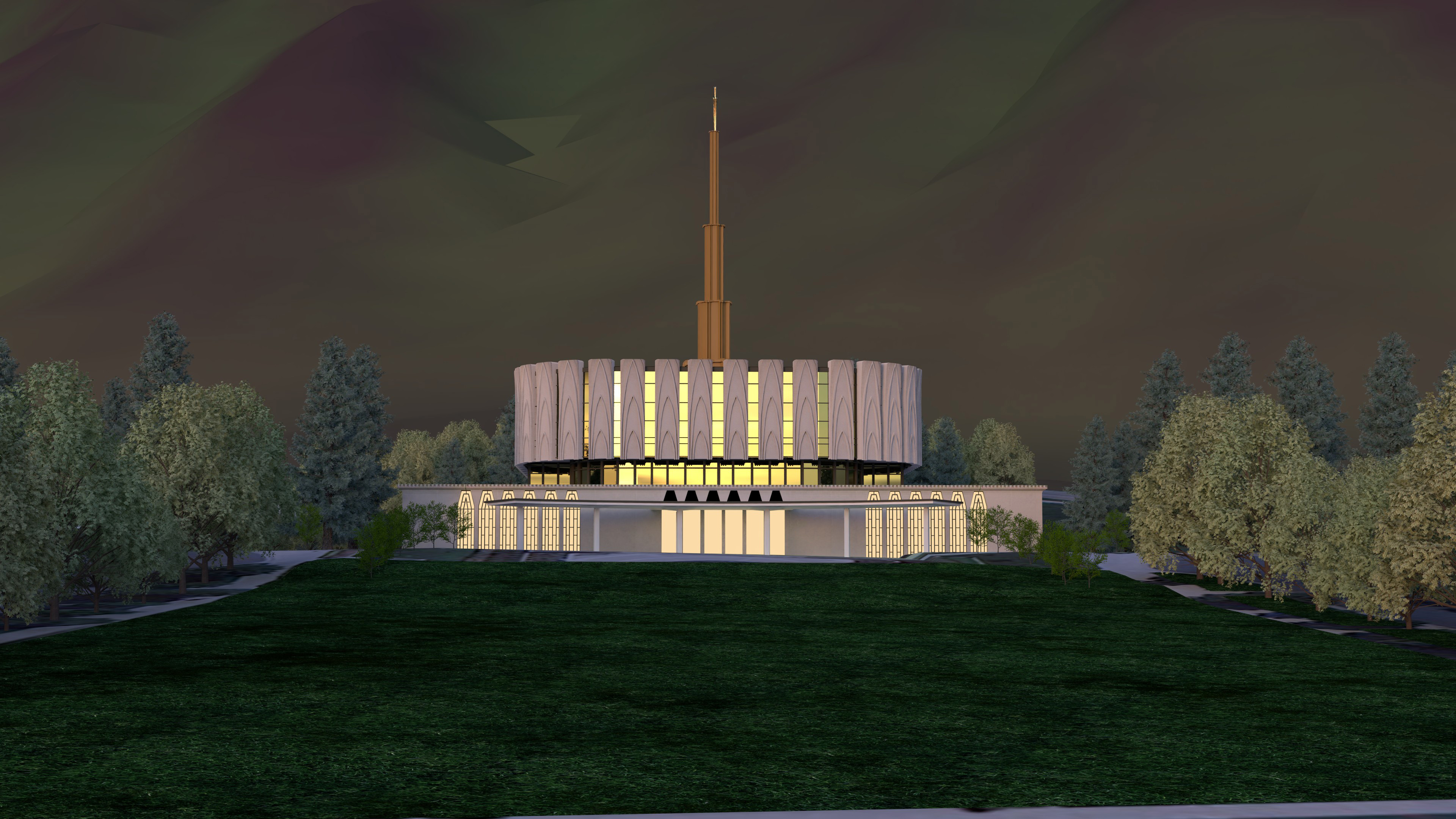
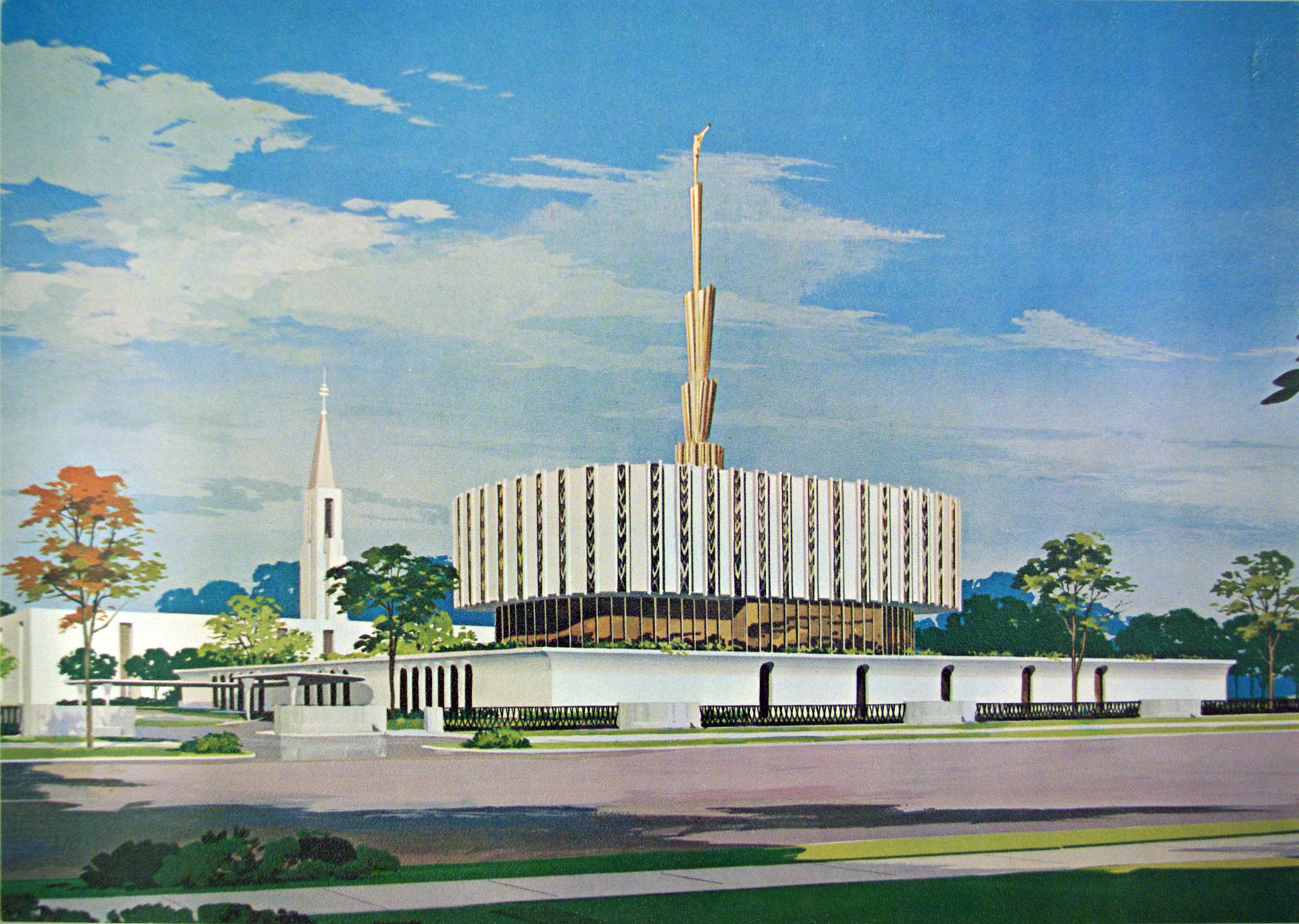
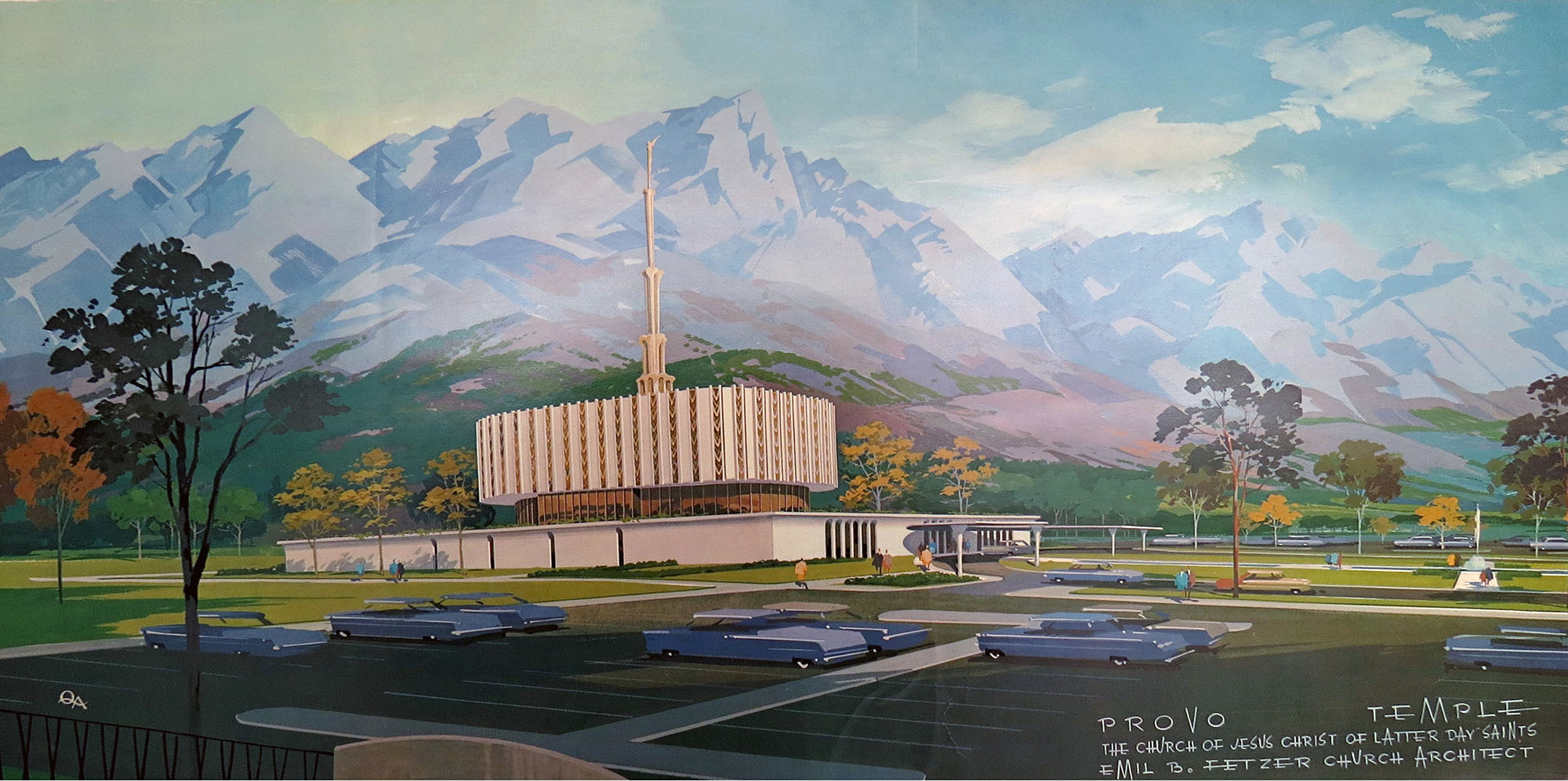
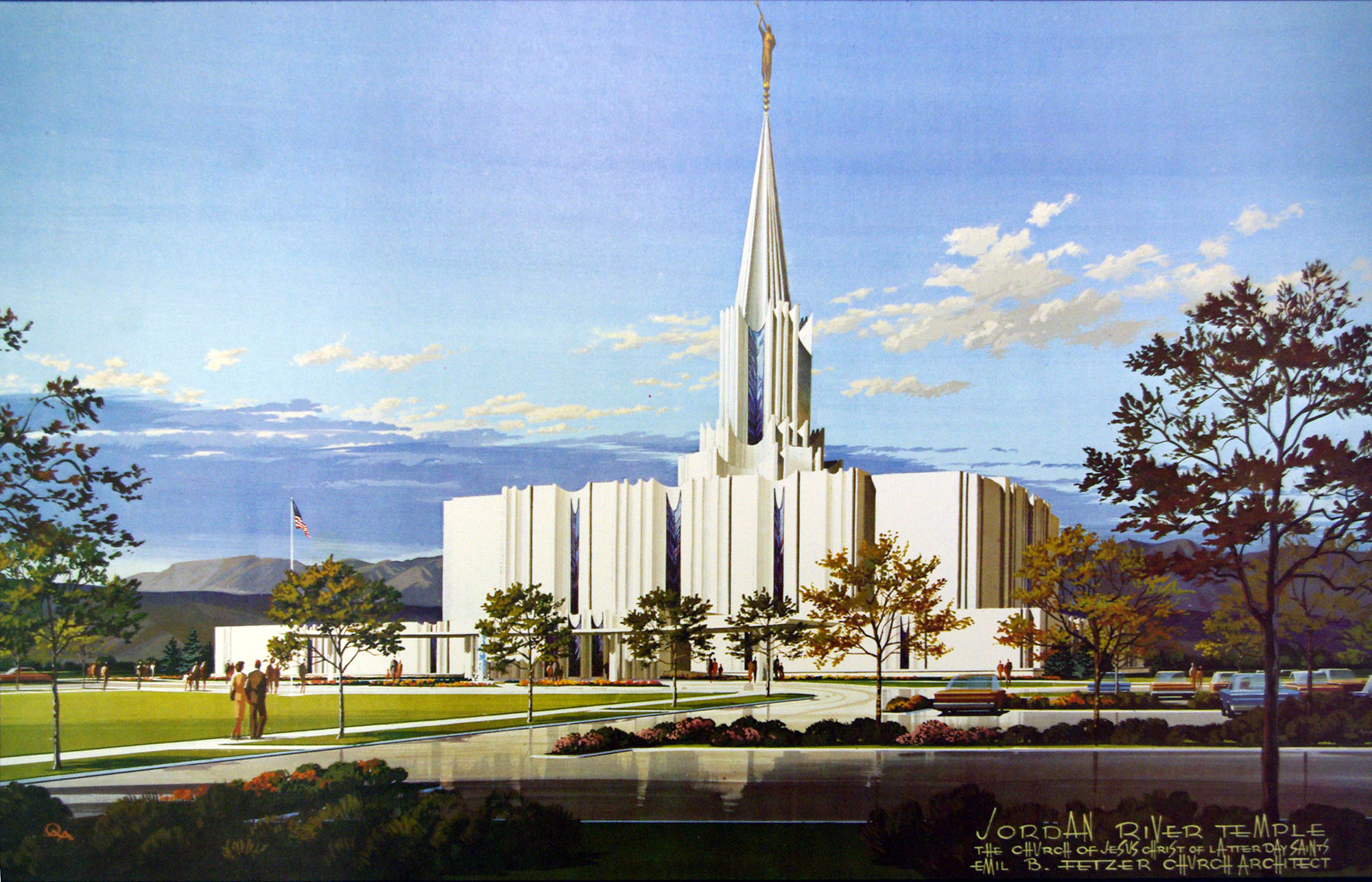
In the late 1960s, it was clear that Utah’s Pioneer temples were operating above capacity, and Church members east of the Rockies still had to come west to attend the temple. This burden was lightened with three new Utah temples and a variation of the Oakland plan on the west coast, each featuring escalators (since removed) and an unprecedented six endowment rooms. The upper floor of each temple features 3 large endowment rooms on either side of a central celestial room. The ability to move large groups through quickly caused these temples to allow more endowments per day than any other temples to date.
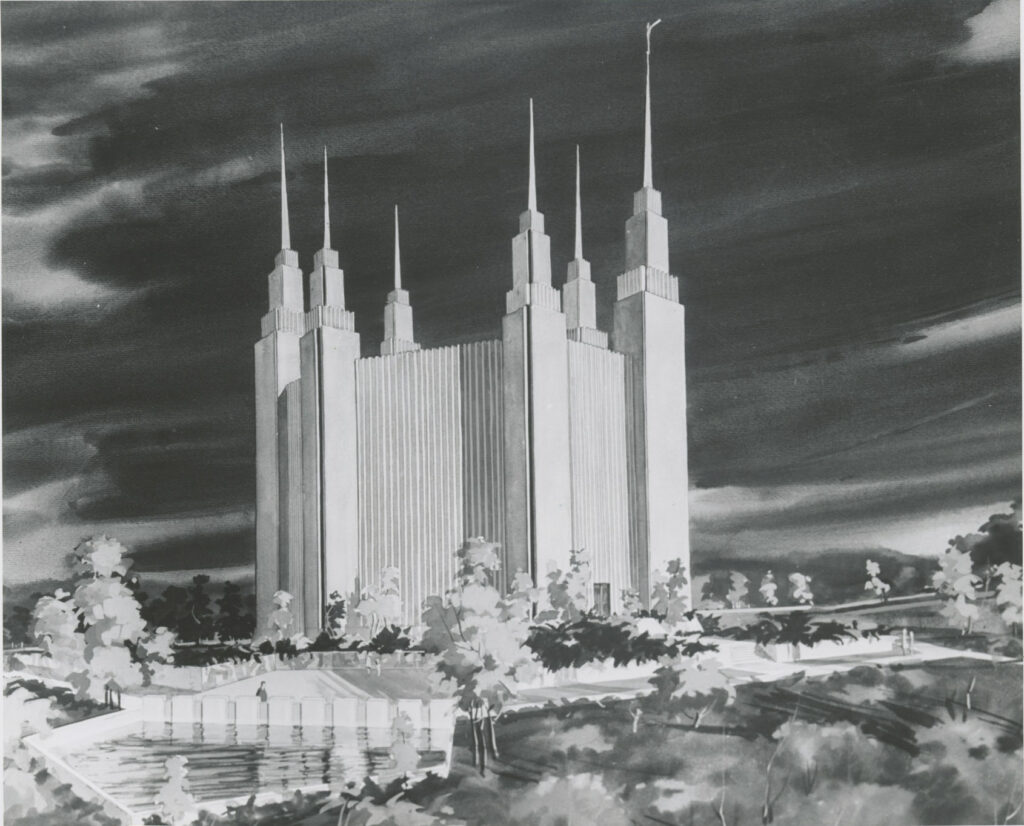
Washington D.C. Temple uses a similar layout to Provo and Ogden, in that the Endowment Rooms use a layout of 3 rooms either side of the Celestial Room, a design feature take from the Provo, Ogden and Jordan River temples..
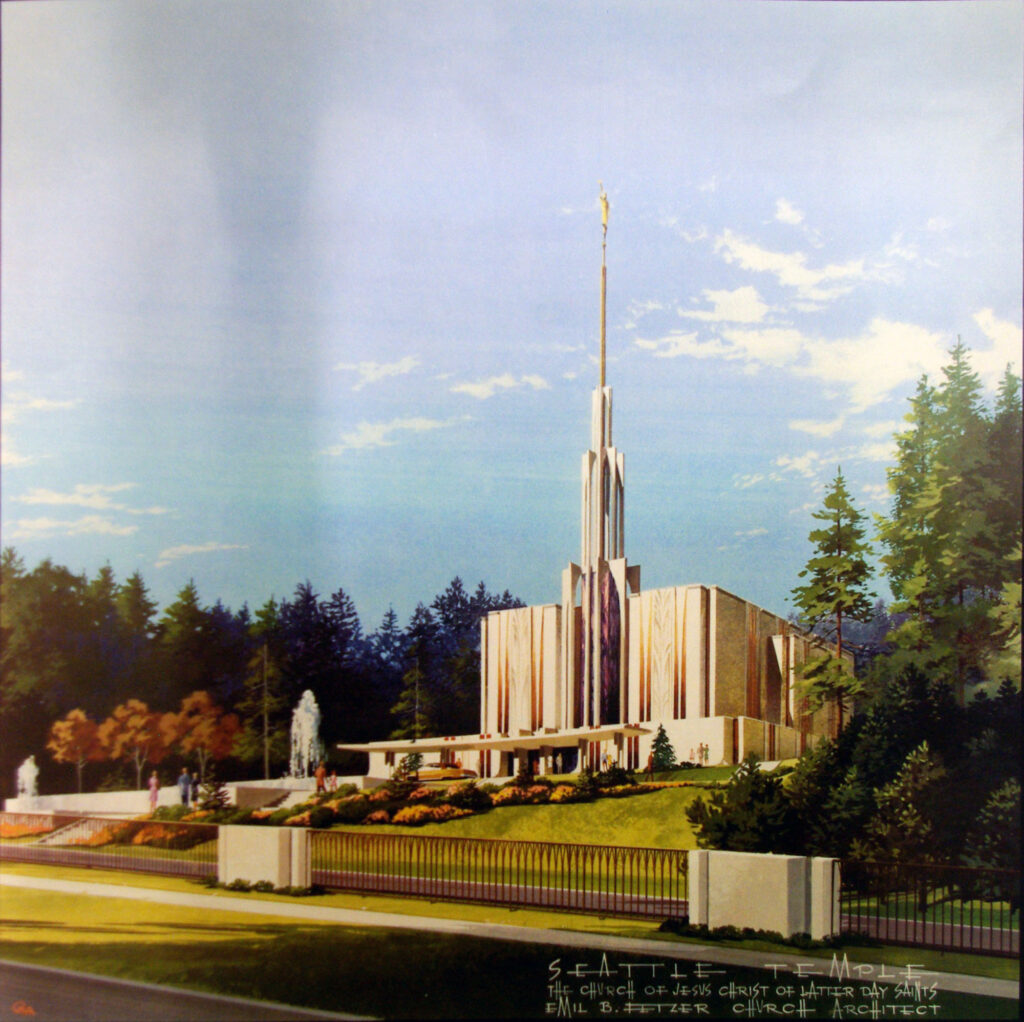
Seattle Washington
Area
110,000
Floors above grade
3.5
Floors below Grade
0.5
Baptistries
1
Initiatories
Endowment Rooms
4
Sealing Rooms
13
*estimated
The Seattle Temples is a scaled down variation of the other temples of this plan. 4 rooms around the Celestial room, rather than 6, mark the difference in this new plan. While other floors have similar facilities with different configurations.
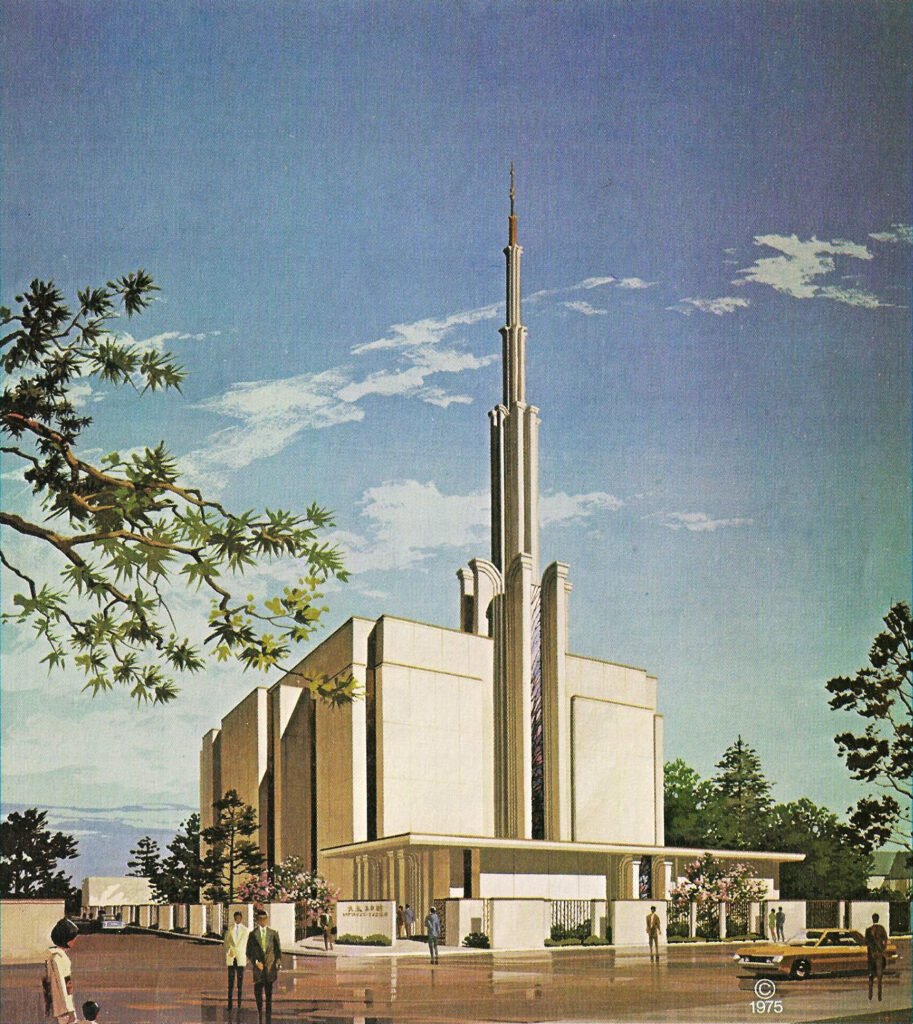
Tokyo Japan
Area
53,997
Floors above grade
4
Floors below Grade
0
Baptistries
1
Initiatories
Endowment Rooms
2
Sealing Rooms
5
*estimated
With lessons learned from Ogden, Provo and Jordan River, Tokyo was built on a plan that looks like the plan from Seattle was taken and cut in half. Two endowment rooms, but on only one side of the celestial room, allowed for high capacity, high efficiency, and a smaller footprint. This new layout would be adapted for the future Pacific plan temples.
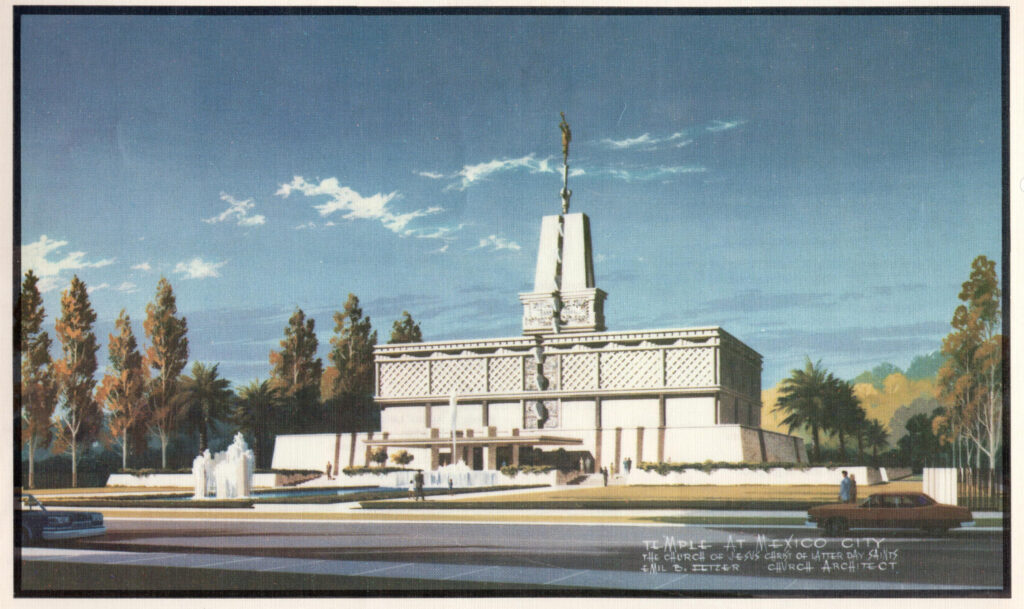
The Mexico City Mexico Temples is, like Seattle, a scaled down variation of the other temples of this plan. 4 rooms around the Celestial room marks this temples room arrangement. While other floors have similar facilities with different configurations.
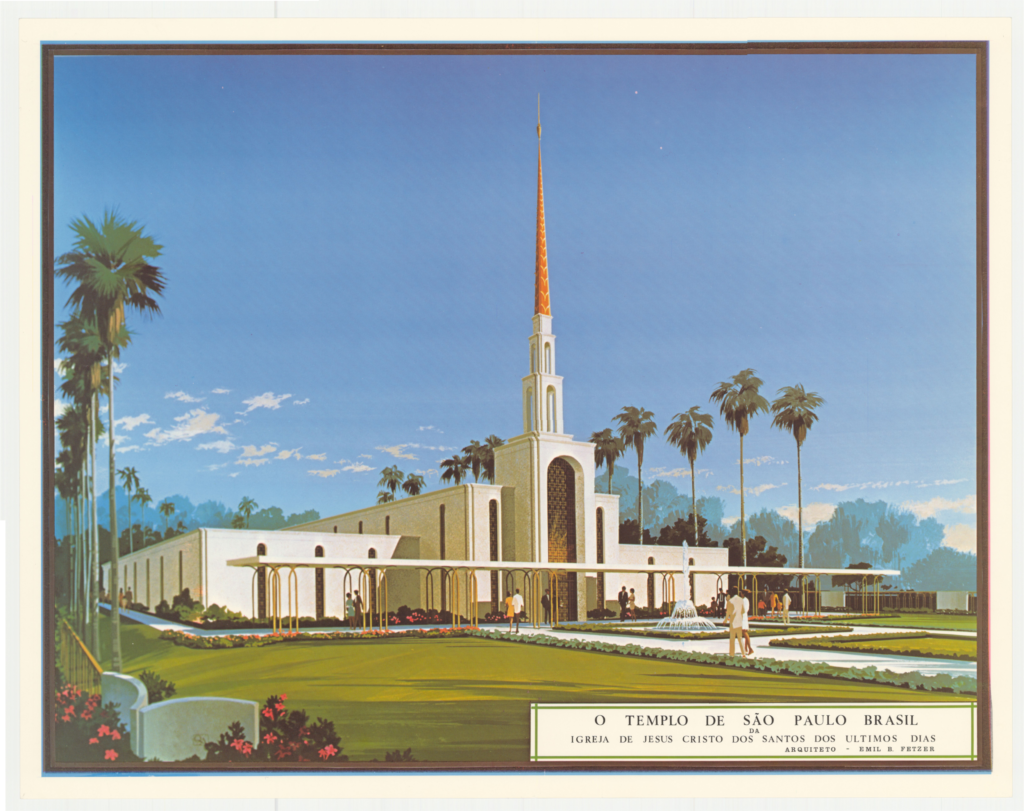
São Paulo Brazil
Sao Paulo Brazil Temple official render
Area
59,246
Floors above grade
3
Floors below Grade
1
Baptistries
1
Initiatories
Endowment Rooms
2
Sealing Rooms
4
The smallest and last of the High Capacity Temples, Sao Paulo has a layout more similar to that of Oakland: 2 endowment rooms, on on either side of the Celestial Room. This plan would in turn lead directly to the Pacific plan.
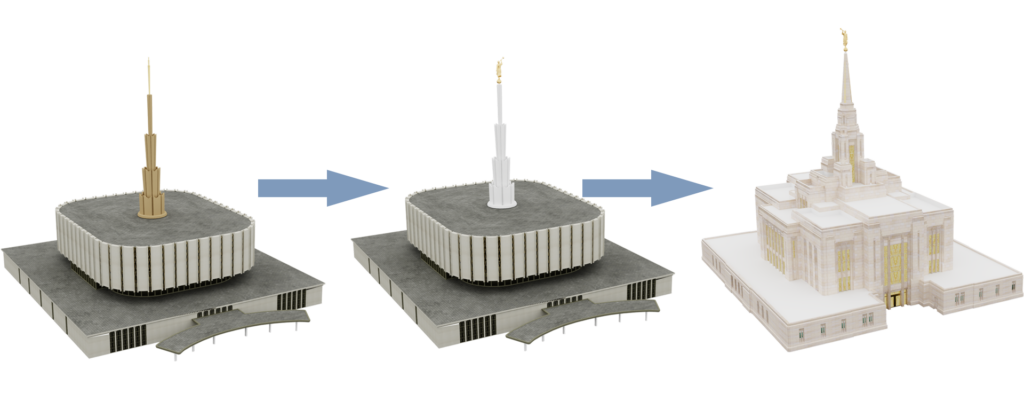
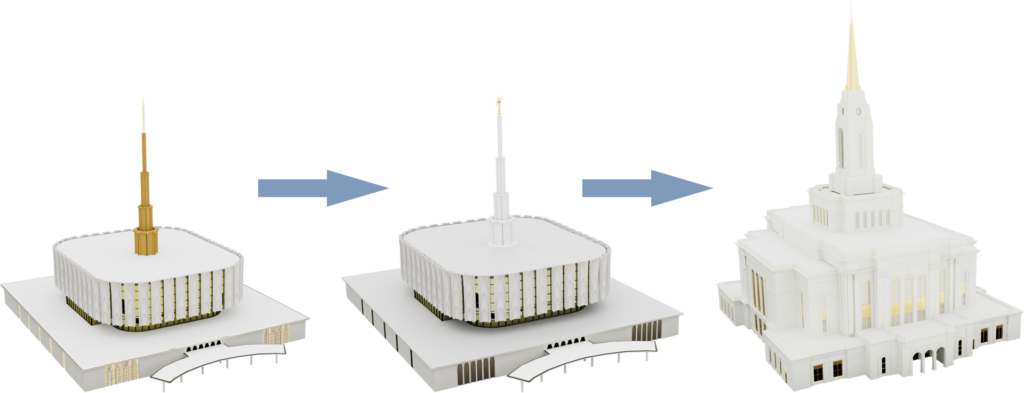
The Ogden Utah Temple was rededicated in 2014 after a three-and-a-half-year renovation project that architecturally transformed its exterior appearance. While much of the interior layout remained the same, some rooms were reconfigured, and all of the auxiliary systems and interior design were replaced. As part of the renovation, the temple was dismantled down to a central core, and then the upper floors built back up from there.
Area
112,232
Floors above grade
3
Floors below Grade
1
Baptistries
1
Initiatories
Endowment Rooms
6
Sealing Rooms
9
*estimated
Provo Utah
The temple closed in 2024 for a “reconstruction.” The original temple has been completely removed, and a whole new structure ins under construction further to the west.